
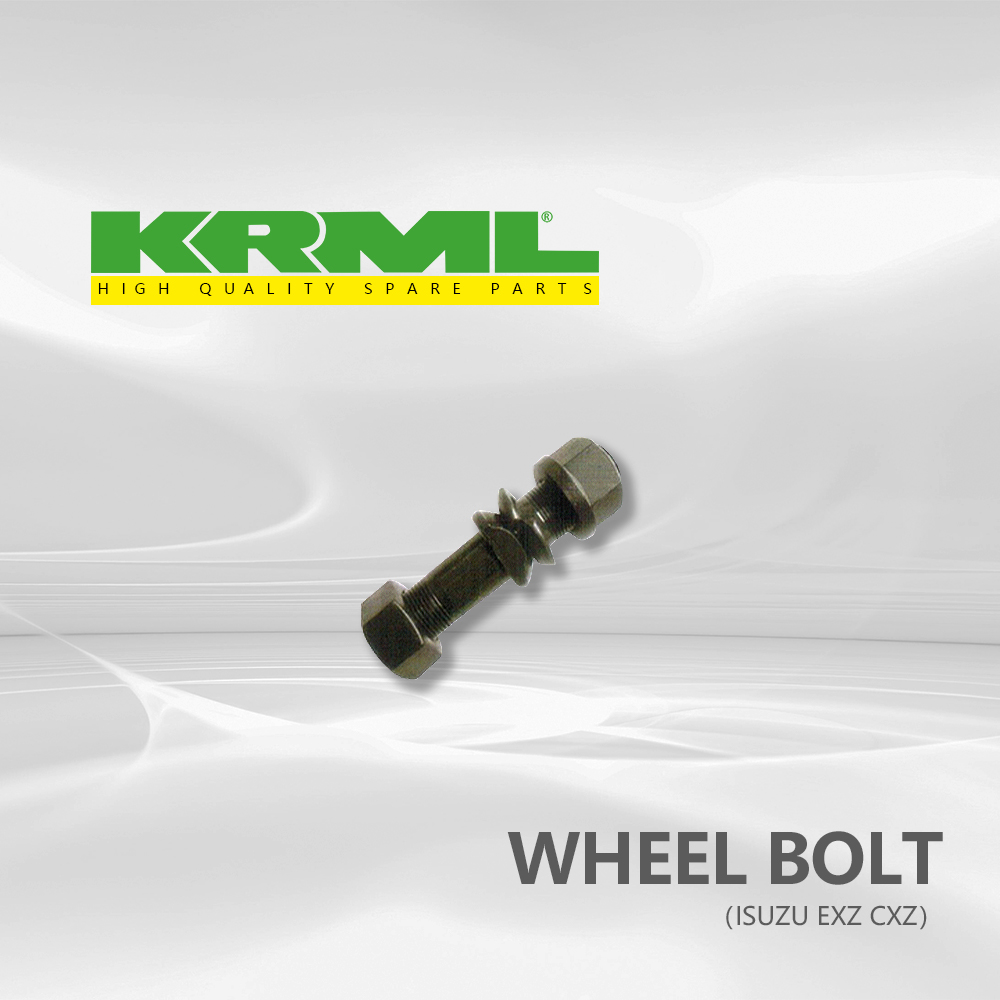
In the rapidly evolving landscape of the automotive industry, supply chain resilience and trusted partnerships have become paramount. A leading company with three decades of experience in automotive parts production and over ten years in international trade exemplifies how deep-rooted expertise and long-term relationships can navigate the complexities of global commerce. Despite the numerous challenges posed by fluctuating materials costs, exchange rates, sea freight uncertainties, and tariffs, this company continues to sustain growth and build strong alliances within the automotive supply chain.
### A Legacy of Trust and Expertise
The foundation of the company’s success lies in trust—trust established through consistent quality and reliability over thirty years of manufacturing automotive components. This extensive production experience affords them a profound understanding of the technical and operational demands of the automotive sector, ranging from raw material sourcing to final product delivery.
Over the past decade, the company has expanded its scope beyond production by actively engaging in the international trade of automotive parts. This strategic evolution reflects the company’s commitment to remain competitive and meet the increasing global demand for automotive components. By bridging manufacturing expertise with trading acumen, the company effectively positions itself as a key player in the global automotive supply chain.
### Navigating the Risks of International Trade
International trade in automotive parts involves navigating a highly volatile and complex environment. Factors such as fluctuating raw material costs can significantly impact pricing structures and profitability. Exchange rate volatility further complicates international transactions, affecting both cost competitiveness and revenue forecasts.
Sea freight challenges, intensified by pandemic-induced disruptions, port congestions, and fluctuating fuel prices, add another layer of uncertainty to delivery schedules and cost management. Additionally, global shifts in tariff policies present ongoing risks that require agile responses and strategic planning. Tariffs can alter market dynamics overnight, forcing companies to reassess sourcing strategies and pricing mechanisms.
Recognizing these factors, the company has developed robust risk mitigation strategies built on its decades of hands-on experience. This proactive approach enables stable supply chain management and the ability to adapt swiftly to shifting market conditions.
### Building Long-Term Partnerships
A distinctive feature of the company’s journey is its focus on cultivating long-lasting relationships with partners, suppliers, and clients worldwide. Over years of collaboration, it has made many friends within the industry, fostering a network built on mutual trust and shared success.
These partnerships enhance the company’s capability to secure reliable sources of materials and components, ensure timely deliveries, and maintain competitiveness despite market fluctuations. Collaborations also facilitate knowledge sharing and innovation, allowing the company to adapt product lines and improve quality in line with evolving automotive standards.
### Commitment to Quality and Innovation
Throughout its 30-year manufacturing history, the company has adhered to stringent quality standards, embracing continuous improvement and technological innovation. Their expertise extends from traditional parts production to integrating modern processes that meet international certifications and customer specifications.
Such commitment to quality not only strengthens customer confidence but also positions the company as a preferred supplier in both domestic and international markets. Adaptability and innovation remain central to sustaining growth amid the shifting demands of the automotive industry.
### Looking Ahead: Growth and Resilience
As globalization continues to reshape the automotive supply chain, companies with deep-rooted trust, extensive experience, and a resilient trading model will be well-equipped to thrive. This automotive parts manufacturer and trader exemplifies how a blend of manufacturing expertise, risk management, and long-term relationship building can overcome the multifaceted challenges of international trade.
Moving forward, the company aims to leverage its established foundations to explore new markets, embrace emerging automotive technologies, and enhance supply chain efficiencies. The emphasis on trust and collaboration will remain integral as the company navigates future industry trends and economic fluctuations.
### Conclusion
In conclusion, the ongoing success of this veteran automotive parts company underscores the critical importance of trust, experience, and adaptability in global supply chains today. Despite the inherent risks and complexities of international trade—from volatile materials pricing to unpredictable tariffs—the company’s persistent dedication to quality, relationship-building, and strategic foresight ensures its continued leadership and contribution to the automotive sector worldwide. The story serves as a testament to how enduring partnerships and seasoned expertise can drive sustainable growth even in turbulent times.