
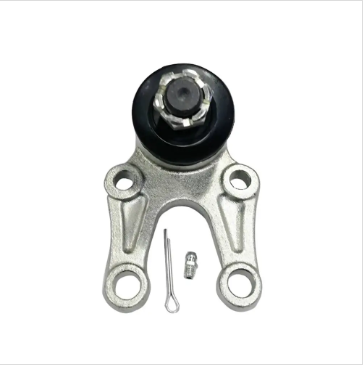
In the dynamic and often volatile world of international automotive parts trade, trust and experience are paramount. Drawing upon thirty years of production expertise and more than a decade of trading experience, a leading supply chain entity has emerged, distinguished not only by its robust industry knowledge but by its commitment to building long-term relationships based on reliability and transparency.
The automotive parts industry is a complex ecosystem, intricately linked to global supply chain mechanisms that can be heavily influenced by numerous external factors. From fluctuating material costs and exchange rates to sea freight and tariff changes, the variables affecting pricing and delivery timelines are many. Amidst these challenges, the newly established supply chain organization has carved out a reputation for steady performance and adaptability.
### A Legacy Rooted in Production and Trade
This supply chain system’s foundational strength lies in its deep roots in automotive parts manufacturing. With thirty years of hands-on experience in producing high-quality automotive components, the team behind the supply chain understands every step of the process—from raw material sourcing and quality control to final assembly. This manufacturing insight ensures that all parts supplied meet strict industry standards and customer expectations.
Furthermore, the organization has leveraged this production base into a thriving international trade operation maintained for over ten years. By navigating the nuances of global commerce, the company has cultivated a network of trusted partners and clients that spans multiple countries and regions. This international exposure has also equipped it with a keen understanding of the risks associated with cross-border transactions, allowing it to mitigate uncertainties effectively.
### Navigating the Risks of International Trade
International trade in automotive parts is fraught with challenges that require careful management. Material cost volatility is a persistent issue; prices for steel, aluminum, rubber, and electronic components can fluctuate widely due to global demand and supply disruptions. These fluctuations directly impact the cost base of automotive parts, posing risks to pricing stability.
Additionally, exchange rates between different currencies can vary, sometimes dramatically, affecting the profitability of cross-border deals. For example, a sudden depreciation of a customer’s local currency can increase costs beyond initial projections, requiring flexible contract terms or hedging strategies.
Sea freight is another critical factor influencing the supply chain. Shipping delays, container shortages, and increasing freight costs—exacerbated during periods of global crisis—can disrupt delivery schedules. Tariffs, governed by international trade policies and bilateral agreements, add another layer of complexity by suddenly altering the landed cost of goods.
Against this backdrop, the supply chain organization’s deep expertise and proactive risk management approach have been vital. By maintaining close communication with suppliers, monitoring market trends, and employing flexible logistics solutions, the company ensures continuous supply even in turbulent times.
### Building Relationships on Trust
Perhaps the most distinguishing feature of this supply chain initiative is its emphasis on trust. In an industry where timely delivery and consistent quality are non-negotiable, trust forms the backbone of successful partnerships. Over years of production and trade, the organization has developed strong bonds with manufacturers, suppliers, logistics providers, and customers alike.
These relationships have been nurtured through honest communication, transparent pricing, and mutual problem-solving. Instead of short-term transactional interactions, the supply chain management team seeks to build long-term collaborations where all parties benefit and grow together.
One of the company’s key philosophies is that trust reduces friction and enhances efficiency. Partners who trust in the reliability and integrity of the supply chain are more likely to collaborate on joint planning, share valuable market intelligence, and navigate challenges collaboratively. This positive cycle creates competitive advantages and resilience.
### Future Outlook and Industry Contribution
Looking ahead, this trusted supply chain entity aims to expand its service offerings and geographic reach while continuously refining its risk control mechanisms. Investment in digital supply chain technologies, such as real-time tracking and advanced analytics, is planned to increase transparency and responsiveness.
Moreover, the company is committed to promoting sustainability in automotive parts sourcing by encouraging the adoption of environmentally responsible materials and manufacturing methods. As automotive industries worldwide push toward greener vehicles and components, the supply chain is positioned to be a key enabler of this transition.
In conclusion, the emergence of this reliable and experienced supply chain organization marks a significant development in the automotive parts sector. By combining deep manufacturing expertise, extensive trading experience, and a steadfast commitment to trust, it has created a supply chain model that can withstand market volatility and deliver consistent value. As the global automotive landscape continues to evolve, such trusted partnerships will be essential for driving innovation and growth.