
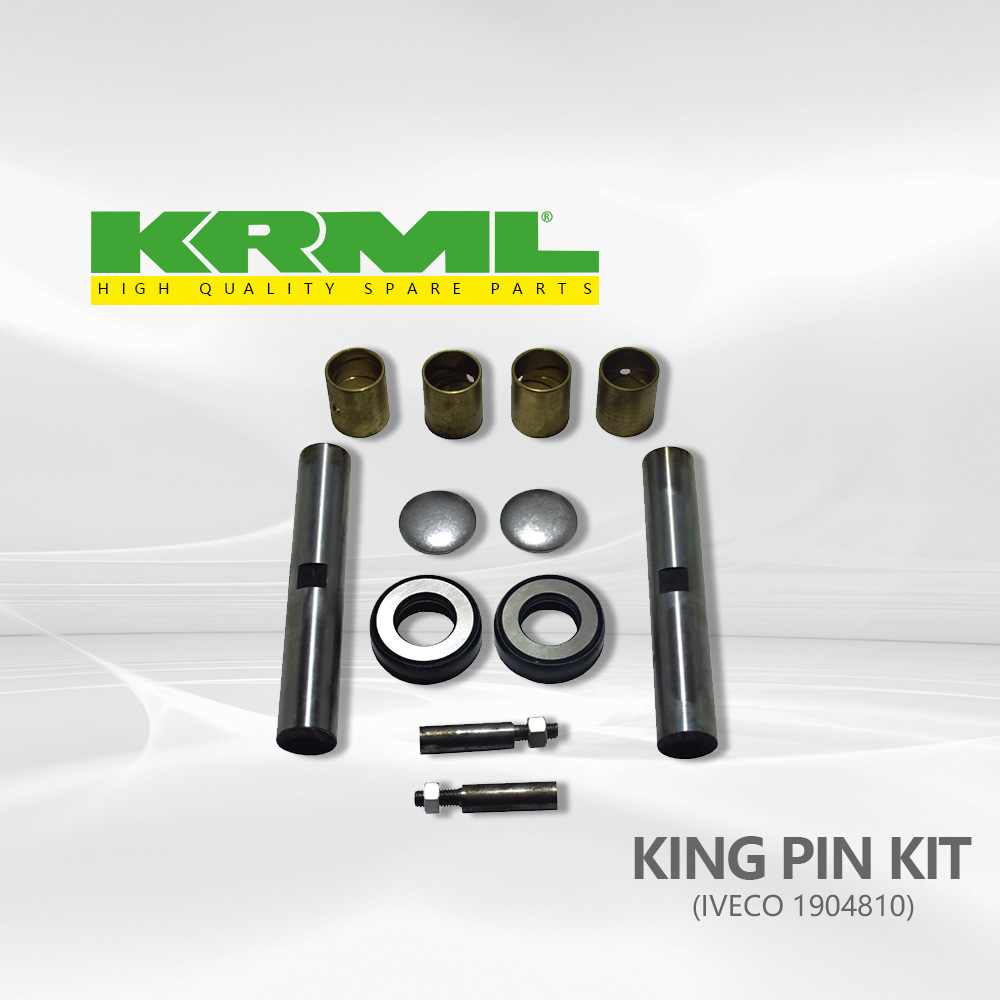
In the ever-evolving landscape of the automotive industry, the importance of a reliable and resilient supply chain cannot be overstated. The seamless availability of high-quality components is vital not only for manufacturers but also for the downstream sectors that rely on them. One critical element in many vehicles—the tensioner bearing—highlights the complexities and challenges faced by the automotive supply chain today. Drawing insights from a company with over thirty years of experience in automotive parts production and more than a decade in automotive parts trade, this article explores how trust and longstanding relationships form the backbone of an effective supply chain.
### The Role of the Tensioner Bearing in Modern Vehicles
The tensioner bearing is an essential automotive part that plays a pivotal role in maintaining the optimal tension of belts within the engine assembly. Proper functionality ensures engine efficiency, reduces wear on components, and contributes to the overall longevity of the vehicle. Despite its small size, this component’s quality directly impacts vehicle performance and safety. Therefore, manufacturers and suppliers must prioritize quality control, timely delivery, and consistency when it comes to tensioner bearings.
### Challenges in the Global Automotive Parts Supply Chain
The global nature of automotive manufacturing presents multifaceted challenges that can affect components like tensioner bearings and others. Market fluctuations in material costs, exchange rate volatility, rising sea freight charges, and tariff impositions create a dynamic environment that demands adaptability and foresight.
Materials, such as steel and specialized alloys essential for components like bearings, often experience price fluctuations driven by geopolitical factors and supply disruptions. For instance, tariffs imposed on steel imports in various countries can increase production costs substantially, which inevitably trickles down through the supply chain.
Exchange rate instability further complicates international trade. A weakening currency can raise costs for imported materials or parts, while sudden appreciation can affect export competitiveness. In addition, ocean freight costs—the primary mode of bulk shipping for automotive parts—have seen significant hikes in recent years due to capacity constraints and the global pandemic’s residual effects.
### Building Supply Chain Resilience Through Trust and Expertise
Navigating these challenges requires not only operational excellence but also a foundation of trust among industry players. The introduction of the Galen supply chain highlights this crucial aspect. The Galen supply chain has emerged from decades of established relationships and a firm commitment to reliability and quality.
The company behind this supply chain brings over thirty years of direct experience in automotive parts production and more than ten years in international automotive trade. This extensive experience enables the company to anticipate market changes and mitigate risks effectively, providing partners with consistent and dependable supply.
Long-term collaboration with suppliers, manufacturers, and clients has cultivated strong relationships, which act as a buffer against uncertainties. When market disruptions occur, these trusted connections allow for more flexible negotiations, joint problem-solving, and mutual support, ensuring that production lines continue to run smoothly.
### Commitment to Quality and Innovation
Beyond trust, quality assurance and innovation remain at the forefront of the company’s philosophy. Cutting-edge production technologies paired with rigorous quality checks guarantee that automotive components, including critical parts like tensioner bearings, meet or exceed industry standards.
The company invests heavily in research and development to improve product durability, reduce manufacturing defects, and enhance overall performance. This commitment not only supports the company’s reputation but also contributes to safer, more durable vehicles on the road.
### International Trade: A Strategic Approach
Understanding the risks inherent in international trade, the company adopts a multifaceted strategy to minimize exposure:
- **Material Sourcing:** Diversifying suppliers to avoid overreliance on any single market.
- **Financial Hedging:** Utilizing currency risk management tools to stabilize costs.
- **Shipping Logistics:** Partnering with reliable freight companies and exploring alternative routes where necessary.
- **Tariff Navigation:** Leveraging trade agreements and compliance expertise to reduce tariff impacts.
Such strategic methods have enabled the company to maintain competitive pricing while ensuring product availability, even in turbulent economic conditions.
### Collaboration for a Stronger Future
The automotive industry is moving toward more integrated and collaborative supply chains. Digitalization, data sharing, and just-in-time delivery systems are reshaping how components move from production floors to assembly lines worldwide.
The company supporting the Galen supply chain exemplifies this progressive approach by fostering transparency, communication, and continuous improvement throughout its network. By investing in technology and people, it secures not only its position as a supplier but also bolsters the entire ecosystem’s efficiency and resilience.
### Conclusion
The automotive supply chain faces innumerable challenges, from fluctuating materials costs to complex international trade issues. However, as illustrated by the seasoned company behind the Galen supply chain, the key to overcoming these obstacles lies in trust, experience, and strategic management.
With over three decades in production and more than ten years in trade, their deep industry knowledge and strong relationships ensure a steady supply of high-quality automotive parts, such as tensioner bearings, that meet the exacting standards of today’s automotive sector.
As the industry continues to evolve, the emphasis on trust, quality, and adaptability will remain paramount. Companies that cultivate these values will not only survive but thrive, contributing to safer, more reliable vehicles on the road and fostering a more stable global automotive supply chain.