
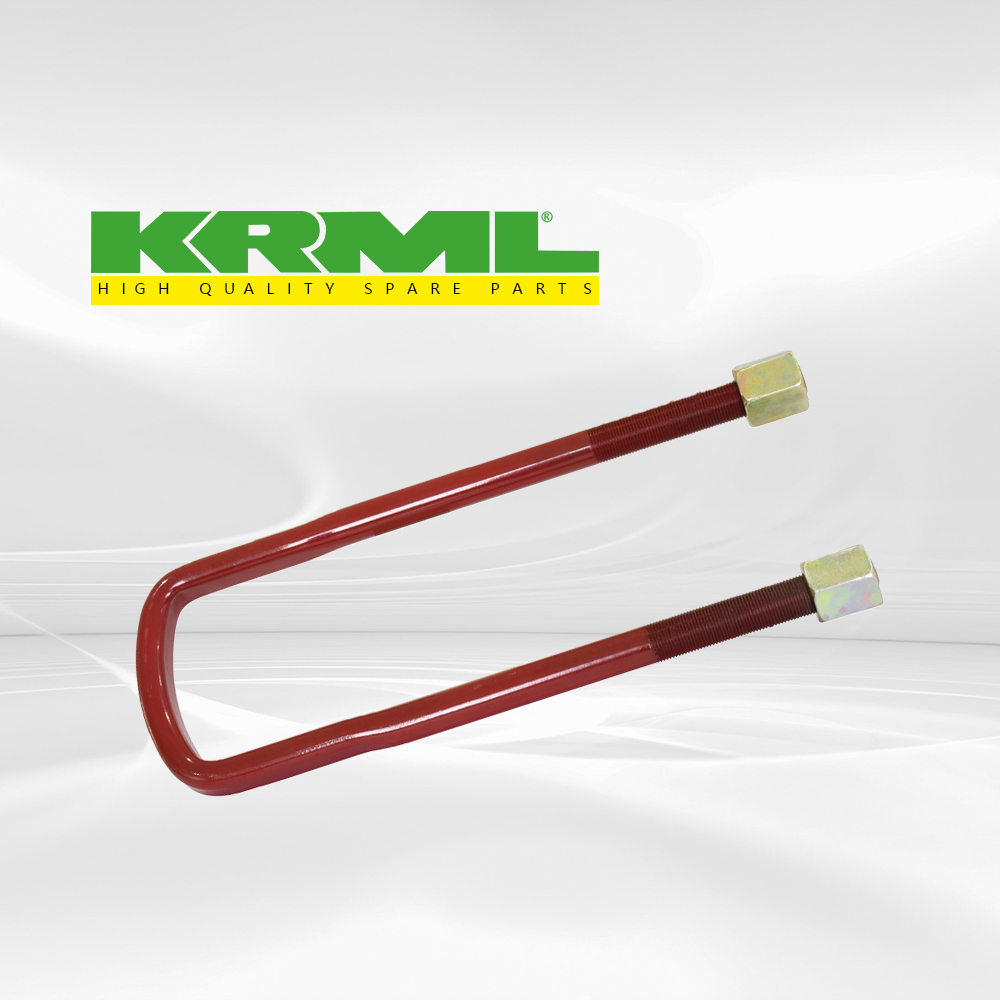
In today’s rapidly changing global marketplace, the automotive parts industry faces numerous challenges—from fluctuating material costs and exchange rates to rising sea freight charges and unpredictable tariffs. Amidst this complexity, companies that prioritize trust and long-term relationships stand out as pillars of stability and reliability. One such company, with three decades of production experience and over ten years in automotive parts trade, exemplifies how steadfast commitment and strategic insight can successfully navigate the complexities of international trade.
### A Legacy Rooted in Trust
The company’s journey began 30 years ago with a focus on the meticulous production of automotive parts. Over the decades, it built a strong foundation rooted in quality manufacturing expertise and a deep understanding of automotive industry standards. This extensive experience enabled the company to expand into the international trading arena, where it has been active for more than ten years.
At the core of its operations is an unshakable commitment to trust—both in business processes and interpersonal relationships. "The emergence of our supply chain stems from trust," company leaders emphasize. This guiding principle has underpinned every partnership and transaction, ensuring that clients and suppliers alike have confidence in the company’s ability to meet demands reliably and consistently.
### Managing Risks in International Trade
International trade in automotive parts is fraught with risks that can impact pricing, delivery schedules, and overall profitability. Key among these risks are material supply volatility, shifts in currency exchange rates, increased sea freight costs, and tariffs imposed by governmental authorities.
Materials such as steel, aluminum, and specialized alloys often experience price fluctuations due to geopolitical tensions, supply shortages, and demand spikes. By leveraging long-standing relationships with vetted material suppliers, the company mitigates sudden disruptions and maintains steady inputs for production.
Exchange rate volatility further complicates cost structures. The company employs proactive financial strategies to hedge against adverse currency movements, ensuring that pricing remains competitive while protecting profit margins.
Sea freight costs have escalated globally, influenced by container shortages, port congestions, and rising fuel costs. Through strategic logistics partnerships and careful route planning, the company optimizes shipping schedules to minimize cost overruns without sacrificing delivery timelines.
Finally, tariffs and trade policies require constant monitoring and adaptability. By keeping abreast of regulatory changes and engaging in flexible contract arrangements, the company navigates these challenges with agility, safeguarding client interests.
### Long-Term Relationships and Mutual Success
A major driver of the company’s resilience is its extensive network of longstanding business relationships. Through decades of consistent quality, dependable deliveries, and transparent communication, it has cultivated a broad base of trusted partners and loyal customers worldwide.
These partnerships transcend mere transactions—they are collaborations grounded in mutual respect and aligned goals. The company shares that it has “made many friends” through its long-term production and trade activities, highlighting the human element behind its success. Such relationships enable smooth cooperation even when external market forces pose obstacles.
### Commitment to Quality and Innovation
While trust and relationship management are vital, the company equally emphasizes continuous quality improvement and innovation. Its production processes incorporate the latest manufacturing technologies and stringent quality control measures to meet evolving automotive standards and customer expectations.
R&D efforts focus on developing parts that enhance vehicle performance, safety, and sustainability. This forward-looking approach positions the company as a preferred partner in a sector increasingly driven by technological advancement and regulatory compliance.
### Looking Ahead: Strengthening Supply Chains in a Dynamic World
As global trade dynamics evolve, the company remains committed to adapting and thriving. It plans to deepen its collaborative supply chain network, enhancing transparency and agility to respond rapidly to market changes.
Ongoing investments in digital tools and data analytics aim to improve demand forecasting, inventory management, and risk identification—key for maintaining uninterrupted supply in an era marked by uncertainty.
### Conclusion
The success story of this automotive parts manufacturer and trader demonstrates that in an industry rife with challenges, trust forms the foundation for enduring business excellence. Drawing from 30 years of production experience and more than a decade of international trade know-how, it continues to build a resilient, customer-focused supply chain network.
By embracing risk mitigation, nurturing relationships, prioritizing quality, and innovating continuously, the company sets a compelling example for others navigating the complexities of global automotive parts trade. In a world where change is the only constant, its legacy of trust and strategic foresight ensures it remains a dependable partner for the road ahead.